Dental bridge in Turkey: 3-unit zirconia from €550.
Monolithic zirconia bridges, tooth-supported or implant-supported, designed using CAD/CAM and placed by prosthodontists. A long-lasting solution for one or several missing teeth, at roughly one third of Western European prices.
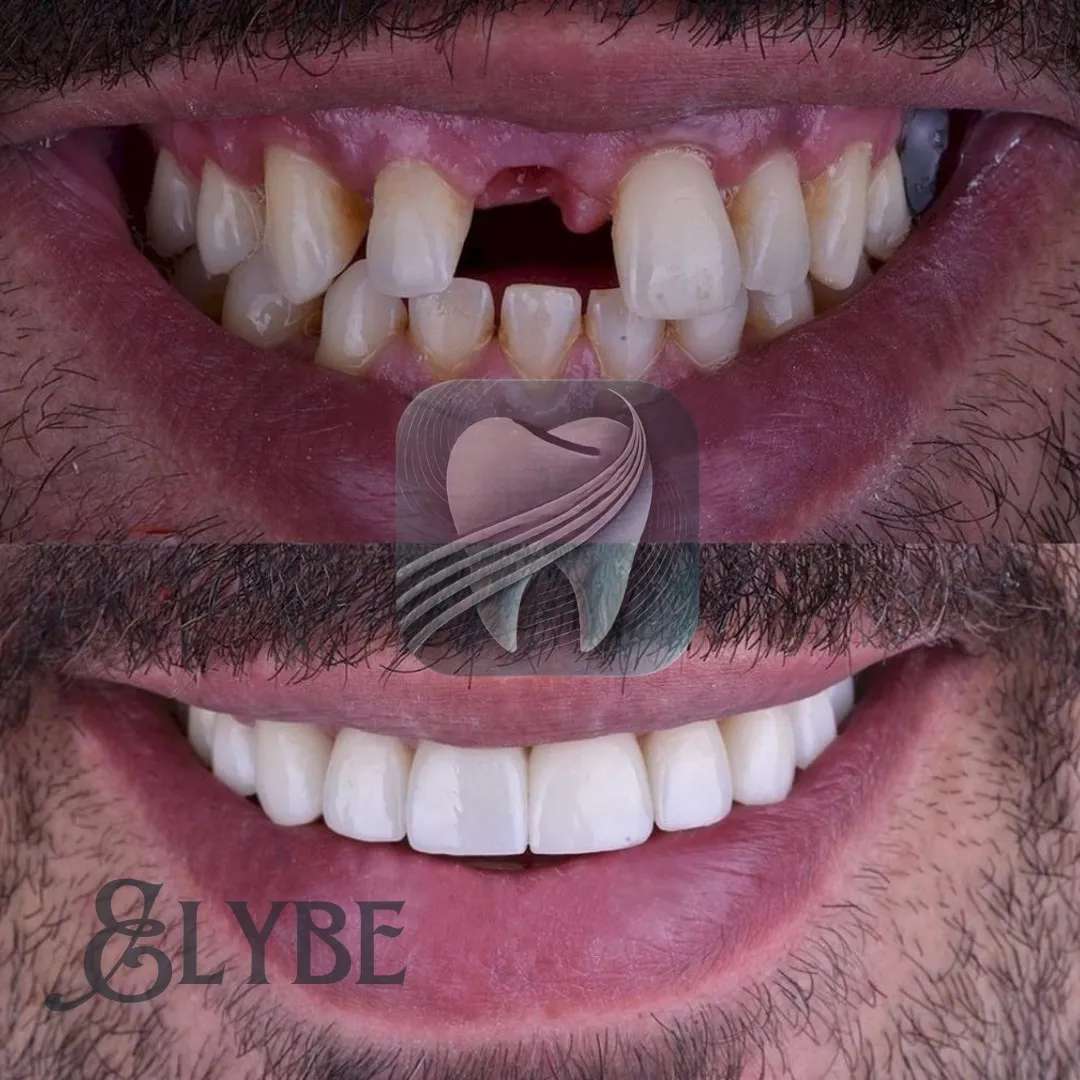
A dental bridge in Turkey costs €550 for a 3-unit zirconia bridge at Elybe Clinic, compared to €1,600–€2,500 in France, Belgium or Switzerland — up to 70% savings. A 4-unit bridge starts at €750, an implant-supported bridge on 2 implants at €1,200. Everything is fabricated using in-house CAD/CAM, with a monolithic zirconia framework, refined aesthetics even on posterior teeth. 5-year written warranty and English-speaking support from start to finish.
Monolithic design, precise marginal fit
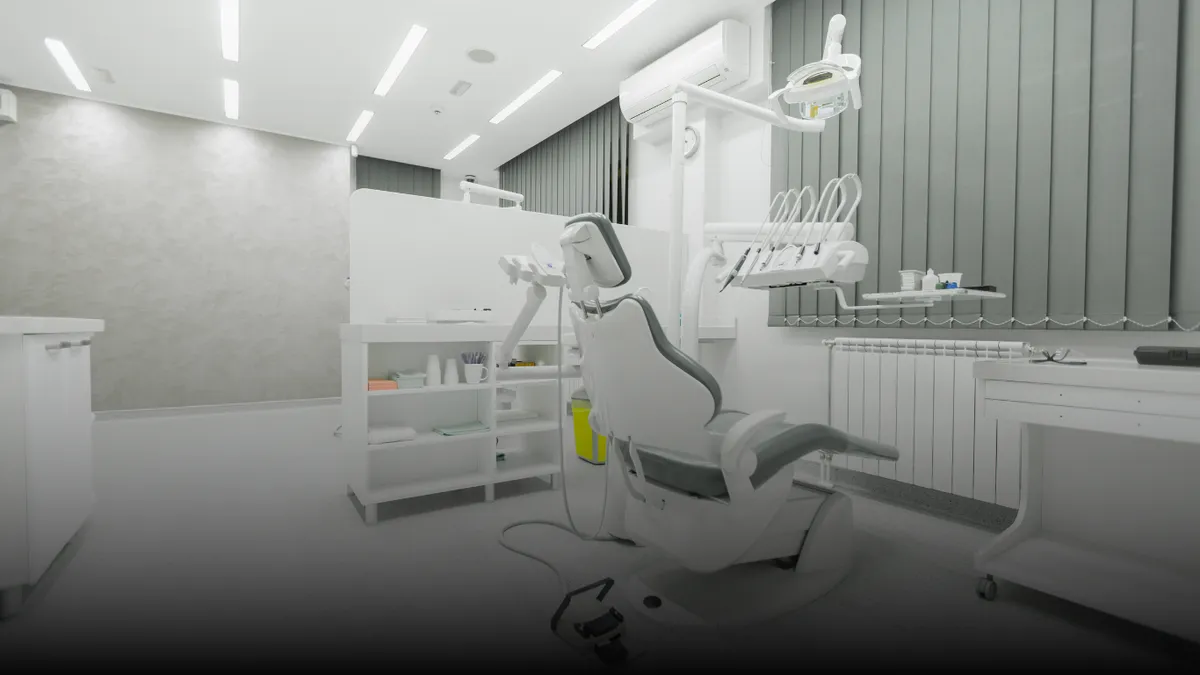
Monolithic zirconia bridges
Framework and pontics milled from a single block — maximum strength and aesthetics.
3Shape intraoral scanner
Micron-accurate digital impressions — no more uncomfortable putty, immediate visual control.
All-inclusive package
Bridge + 4/5★ hotel + VIP transfers + English interpreter: price locked at signature.
Hygiene coaching
Interdental brushes and Superfloss provided, in-person demo by our hygienist.
The tooth-supported bridge protocol in 4 steps
Here is the exact clinical sequence for a classic tooth-supported bridge in a single stay.
Assessment & abutments
Radiographic evaluation of the abutment teeth (vitality, periodontium, roots). Preventive root canal treatment if required.
Preparation
Peripheral reduction of the supporting teeth under local anaesthesia, digital impression of the edentulous span.
CAD/CAM design
3D modelling of the bridge, milling of the monolithic zirconia framework, glazing and characterisation.
Try-in & cementation
Marginal fit verification, occlusion check, permanent cementation with a biocompatible cement.
Tooth-supported vs implant-supported bridge
Two distinct philosophies — the choice depends on the condition of your adjacent teeth.
- Tooth-supported — fast and affordable, but requires reducing 2 healthy teeth. Best when those teeth are already compromised.
- Implant-supported (preferred) — preserves neighbouring teeth, slows bone resorption, longer service life. More time and cost upfront.
Our team systematically prices both options in your quote.
Monolithic zirconia or metal-ceramic?
At Elybe, 90% of our bridges are monolithic zirconia: framework and pontics milled from one block, which eliminates the risk of cosmetic-ceramic chipping. Strength of 1,200 MPa, uniform aesthetics, biocompatible.
Metal-ceramic remains a budget option on non-visible posterior molars (€450 for a 3-unit bridge), but the metal collar can show at the gumline over time.
Conditions for success
A bridge is suitable only in specific configurations: solid abutment teeth (healthy or crownable), stable periodontium (no active periodontitis), good oral hygiene, balanced occlusion. For larger edentulous spans (4+ adjacent missing teeth), implant solutions or an All-on-4 become more durable. For full-arch edentulism, see our dental prosthesis page.
Bridge Turkey vs France, Belgium, Switzerland
Elybe Clinic prices include preparation, CAD/CAM impressions, fabrication, try-in and cementation.
See also: single dental implants
4 to 6 days for a tooth-supported bridge
Arrival & assessment
VIP transfer, hotel check-in, panoramic X-ray, treatment plan validation, root canals if needed.
Abutment preparation
Reduction of the supporting teeth under local anaesthesia, digital impression, temporary resin bridge placed.
CAD/CAM fabrication
Design and milling of the zirconia framework, sintering, final glazing. Free time to explore Istanbul.
Try-in & cementation
Marginal fit check, occlusion adjustment, final cementation, hygiene demonstration, warranty certificate handover.
For an implant-supported bridge, plan two stays 3 to 6 months apart — details on the dental implant page.
Elybe patient results
Dental bridge Turkey: everything you need to know
A 3-unit zirconia dental bridge costs €550 at Elybe Clinic, vs €1,600–€2,500 in France, Belgium or Switzerland. A 4-unit bridge starts at €750, a bridge on 2 implants at €1,200 — up to 70% savings for the same materials and precision.
Whenever possible, an implant-supported bridge is preferable: it doesn't weaken adjacent teeth, preserves alveolar bone and lasts longer. A tooth-supported bridge still makes sense when the neighbouring teeth are already damaged or crowned — they can be protected at the same time.
A well-fitted zirconia bridge lasts 10 to 20 years, sometimes longer. An implant-supported bridge often exceeds 20 years because it doesn't rely on natural teeth that may decay. Lifespan depends heavily on interdental hygiene.
Tooth-supported bridge: a single 4 to 6-day stay. Implant-supported bridge: two stays 3 to 6 months apart — the first for implant placement, the second for the final bridge after osseointegration.
Monolithic zirconia is our default choice today: outstanding strength (1,200 MPa), excellent aesthetics, no visible metal framework. Metal-ceramic remains an economical option for non-visible posterior teeth.
Not always. If you're replacing a single tooth and the neighbouring teeth are healthy, a single implant is preferable. If several teeth are missing side by side or if adjacent teeth already need restoration, a bridge — ideally implant-supported — becomes relevant. We compare both options in your quote.
5-year warranty against manufacturing defects, debonding (excluding trauma) or framework fracture. For implant-supported bridges, the titanium implant is covered by a lifetime manufacturer warranty. Nominal certificate handed over at the end of your stay; remote follow-up from our EU office in Ris-Orangis, France.
Informational content — not a substitute for medical advice from a qualified dentist. A tooth-supported bridge involves irreversible preparation of the abutment teeth.
Related care & resources
Get your bridge quote within 24 h
Tell us how many teeth are missing and the condition of the neighbouring teeth. A panoramic X-ray helps us price precisely.